

The Important Role of Student Volunteerism
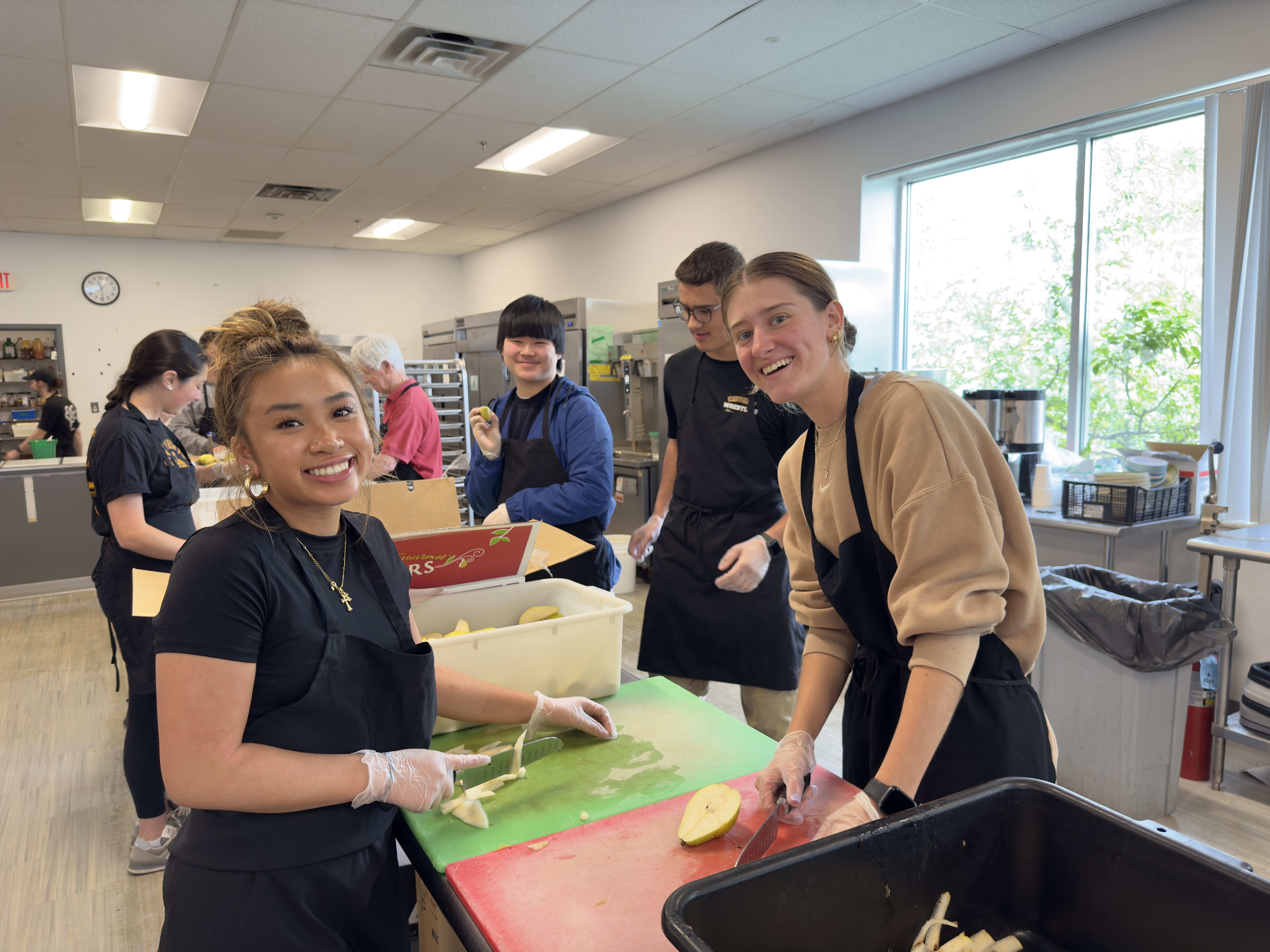
The Important Role of Student Volunteerism
At Cheverus, service is more than a requirement—it's a core value that helps students grow into compassionate leaders. Student volunteerism is essential to Catholic education, emphasizing faith in action, leadership development, and community engagement. By participating in service-learning projects, mission trips, and local volunteer opportunities, students experience firsthand the benefits of service to the broader community.
The Transformative Impact of Volunteerism
Service projects offer students invaluable life skills and opportunities for personal growth, shaping them into more well-rounded individuals. Through volunteerism, students gain various essential skills and experiences, including:
Leadership skills: By taking initiative, organizing, and managing service projects, students learn how to lead teams, solve problems, and make effective decisions. These experiences teach them the importance of collaboration, communication, and responsibility.
Empathy and compassion: Hands-on experiences with diverse communities allow students to understand different perspectives and challenges. This exposure helps them build deeper connections with others and fosters genuine care and understanding.
Stronger faith connection: Students strengthen their spiritual values by actively living out Catholic social teachings in real-world settings. They learn to apply principles such as dignity, justice, and service to their actions, integrating faith into their daily lives.
These meaningful experiences enhance students' moral character and equip them with the tools they need to succeed in future service-oriented professions and leadership roles. Service projects provide a foundation for lifelong personal and professional growth, instilling values that resonate far beyond the classroom.
The Long-Term Benefits of Volunteering for Students
The benefits of volunteering for students extend beyond high school. Studies show that students who engage in regular service work demonstrate:
- Higher academic performance and problem-solving abilities.
- Increased civic engagement and responsibility.
- Stronger college and career prospects, with many universities valuing applicants with volunteer experience.
Beyond academic and professional advantages, volunteerism nurtures essential life skills, such as teamwork, adaptability, and effective communication. Students who serve in leadership roles during their volunteer work learn how to collaborate with diverse groups, manage projects efficiently, and develop resilience when facing challenges. These skills prove invaluable in both higher education and future careers.
Volunteering also enhances emotional intelligence by helping students recognize and respond to the needs of others. It fosters a sense of purpose and fulfillment, reducing stress and increasing overall well-being. Studies indicate that individuals who participate in community service experience higher levels of happiness and personal satisfaction, strengthening the idea that helping others contributes to one's personal growth.
Engaging in service work also builds a strong network of relationships. Students form meaningful connections with peers, mentors, and community members who share their commitment to making a difference. These relationships can lead to mentorship opportunities, career guidance, and a lifelong dedication to service.
Making a Lasting Impact Beyond School Walls
Students don't just serve for the moment—they carry the spirit of volunteerism beyond graduation. A commitment to service fosters a culture where students know they matter beyond school walls. They become change-makers in their communities, dedicated to uplifting others and leading with integrity.
If you want to learn more about how Cheverus integrates student volunteerism into its curriculum, contact our admissions team for more information. We can continue to build a community of leaders who serve with heart and purpose.